Iran Places Strait of Hormuz Under Close Oversight, Issues Warnings on Maritime Traffic


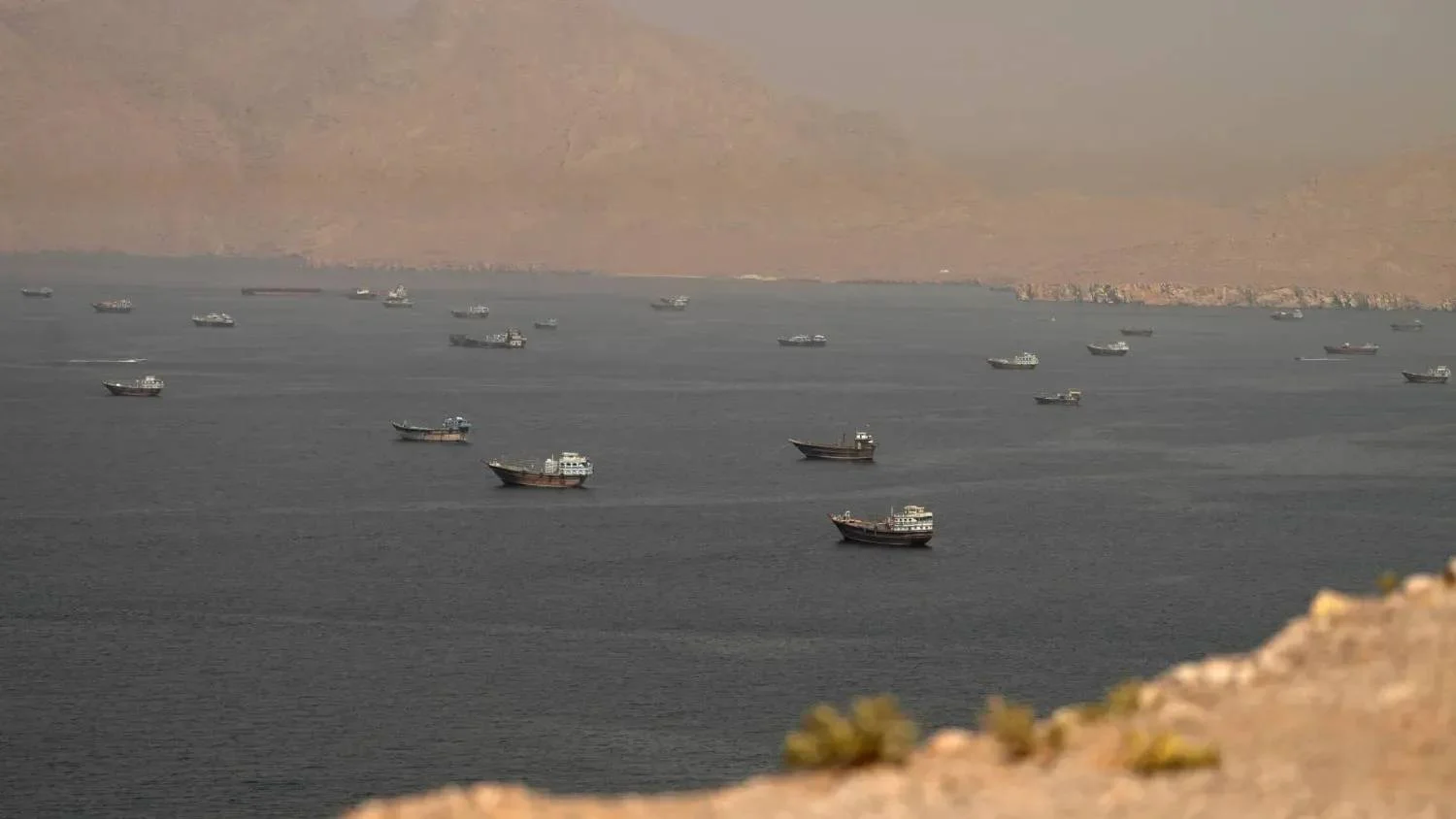
The Islamic Revolutionary Guard Corps (IRGC) stressed on Thursday the need for prior coordination with Iranian authorities regarding any new maritime arrangements or navigation routes in the Strait of Hormuz, warning that the announcement of shipping lanes outside frameworks approved by Tehran would be considered “unacceptable” and could carry security and navigational risks.
In a statement, the IRGC said safe passage through the strait must be conducted exclusively via officially designated routes, noting that communication with Iranian naval forces on International Maritime Channel 16 is mandatory for all transiting vessels.
It added that any vessel failing to comply with the instructions and procedures governing navigation in the strait may face measures taken by Iranian authorities in accordance with applicable regulations.
The Iranian position came in response to an announcement by Oman allowing the use of a temporary maritime corridor for all vessels wishing to transit the Strait of Hormuz, as part of efforts to maintain the flow of international shipping and protect one of the world’s most critical trade and energy routes.
Muscat said the temporary corridor would be available free of charge and coordinated with the International Maritime Organization and relevant authorities, in line with principles governing freedom of navigation and international maritime law.
It also noted that use of the corridor requires prior coordination under procedures set by the IMO and Omani competent authorities.
The development comes as Iran and the United States continue consultations following the signing of a memorandum of understanding last week, within a mediated negotiation track facilitated by Pakistan and Qatar aimed at reaching a final agreement within a 60-day timeframe, with the possibility of extension.
Despite the reopening of the Strait of Hormuz under recent understandings, several issues remain disputed between the two sides, most notably Iran’s nuclear programme and the future framework governing maritime traffic in the strait.
The announced arrangements stipulate the resumption of shipping after months of disruption that significantly affected global energy markets. However, Tehran insists that the post-war phase will establish a new reality in the strait, including potential regulations and fees linked to transit operations.
The ongoing dispute underscores continued competition over the management of one of the world’s most strategically sensitive waterways, as the Strait of Hormuz remains a critical artery for global oil and trade flows.

Related Topics:
Strait of Hormuz Iran IRGC maritime security shipping routes naval regulations Channel 16 communications Oman maritime corridor International Maritime Organization freedom of navigation Iran US talks Qatar mediation Pakistan diplomacy global energy routes